
The Big Sleep and the Dead
The Big SleepDeath recurs as a leveling force that contrasts with the elaborate efforts of the living to hide bodies, protect reputations, and assign blame.
increasing Bearing strength in each event
 decreasing
Bearing strength in each eventdecreasingThe Orchid House
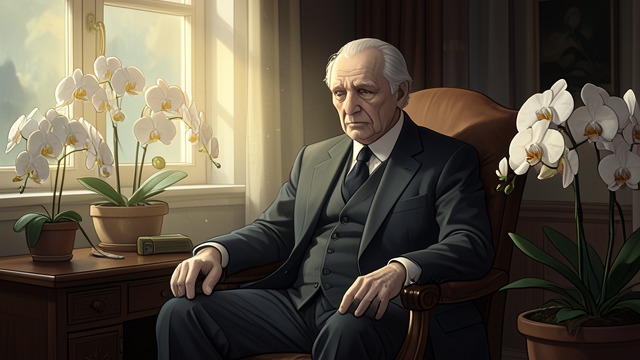
The Orchid House
A living death
General Guy Sternwood sits among steaming orchids, paralyzed and near death. He describes himself as existing largely on heat, while the plants suggest decay beneath luxury.
The first image of mortality
The General’s condition frames the investigation as a struggle among people who cannot escape physical decline. His wealth protects comfort, not life.
Geiger on the Floor
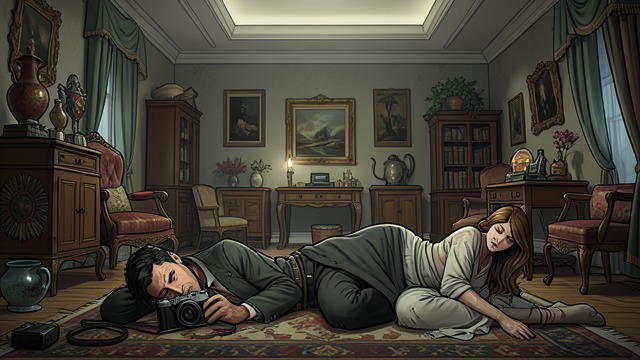
Geiger on the Floor
An arranged spectacle
Arthur Gwynn Geiger lies dead beside a camera and a drugged woman. The room’s exotic furnishings make the killing look theatrical, but the body is plain evidence.
Death beneath performance
The living scramble for the missing photographs and books. Geiger himself can no longer control the uses made of his business or his name.
The Missing Corpse
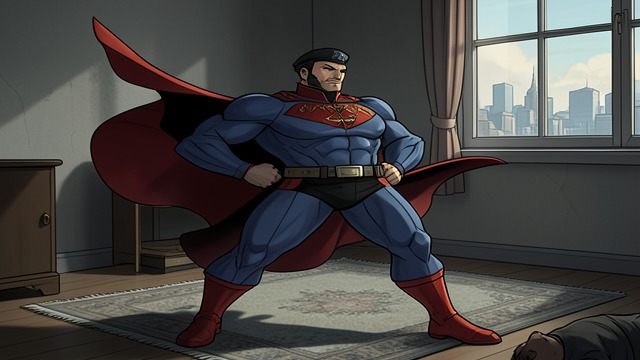
The Missing Corpse
A body treated as evidence
Someone removes Geiger’s body, hoping that the murder can be delayed or redirected. The empty space becomes as significant as the corpse had been.
The dead remain troublesome
The effort to erase a body does not erase the crime. Marlowe reads the grooves in the rug and reconstructs the attempt to move it.
Regan in the Sump
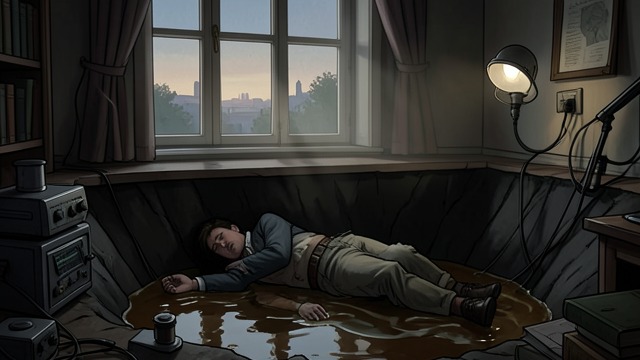
Regan in the Sump
A concealed burial
Terence Regan’s body lies in an oil sump beneath the family’s former source of wealth. Vivian’s confession joins the crime to the landscape that made the Sternwoods rich.
A leveling image
Oil, water, and a marble tower mean nothing to the dead. The image strips away the social distinctions that dominate the living characters’ choices.
The Final Sleep
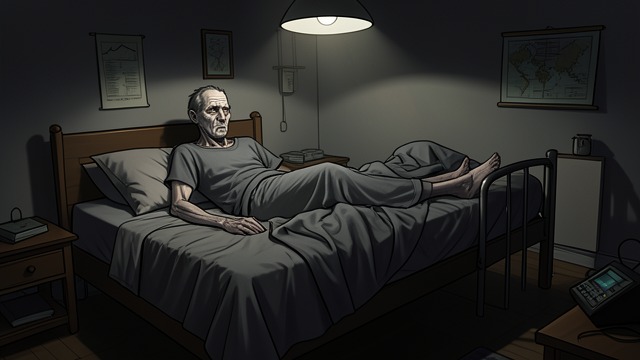
The Final Sleep
The General’s approaching end
Philip Marlowe imagines General Guy Sternwood waiting in bed with a failing heart and thoughts as gray as ashes. The General’s decline makes Regan’s fate newly intimate.
A universal rest
Marlowe calls death the big sleep, indifferent to whether a body lies in a sump or a tower. The ending grants no justice, only a stark equality beyond life.
the first morning
the first rainy evening
later that rainy night
near the ending
the final paragraph
